
About
I am an applied economist working in natural resource economics. My research uses econometric methods to study how natural resources respond to economic and environmental pressures, with the goal of producing rigorous evidence that informs resource management and policy.
Through an interdisciplinary approach, my work connects economic science with environmental policy to develop tools that help communities and policymakers manage natural resources sustainably.
Research Fields
Dissertation
My dissertation explores the implications of extreme weather events on natural resource outcomes:
Many weather exposure measures are nonlinear transformations of interpolated station data. Because transformation and spatial interpolation do not commute, the order in which they are applied matters. Using weather from 1940 to 2024, we show that interpolating before transforming compresses the extreme-heat tail with cross-validated deviations exceeding 40 percent at 35 degrees Celsius. This compression propagates into yield-damage estimates primarily through measured inputs rather than estimated coefficients, and into downstream conclusions about crop insurance pricing, farmer adaptation and warming projections.
Daily weather aggregates can mask the temporal patterns that affect drinking water contamination. Using hourly weather data and water compliance samples from Kentucky community water systems (2005–2024), we show that disinfection byproduct concentrations respond most strongly to sustained heat, whereas microbial contamination responds most strongly to short-duration precipitation intensity. A shift from the 25th to 75th percentile of the 14-day temperature distribution raises trihalomethane concentrations by 42 percent, and each 5 mm per hour increase in peak hourly rainfall intensity raises total coliform detection by about 12 percent relative to baseline. Temperature effects on disinfection byproducts are about twice as large in communities with high poverty rates, and at high temperatures, the effects continue to rise in small systems but level off in larger systems. The findings suggest that both monitoring and adaptation policy may be more effective when aligned with the underlying contamination pathway.
We examine how lot size composition and housing wealth shape price elasticity, conservation under California’s 2015 drought mandate, and the resulting welfare costs. Using a panel of water agencies, we exploit within-agency temporal variation in housing characteristics. Agencies with more large-lot parcels are more price responsive, while wealthier agencies are less so. The mandate reduced consumption across all agency types, including those with near-zero price elasticity. Agencies with the least elastic demand bear the highest welfare cost per unit saved, though these estimates are imprecise near zero elasticity. The findings indicate that mandates reduce use even where prices do not, so the two instruments reach different groups rather than being interchangeable.
Academic Background
- Postdoctoral Associate - Department of Food and Resource Economics — University of Florida
- PhD Degree - Agricultural Economics — University of Kentucky
- Visiting Researcher - Department of Public Policy — University of California, Riverside
- Masters Degree - Economics — Vanderbilt University
- Bachelors Degree - Economics — National University of Sciences and Technology
Technical Skills
- Econometric Methods: Panel data analysis, spatial econometrics, causal inference, difference-in-differences
- Programming & Software: R, Python, Stata, ArcGIS, Tableau, HTML, high-performance computing clusters
- Data Management: Large-scale climate datasets (PRISM, NOAA), agricultural surveys (NASS), EPA environmental monitoring data
Beyond Research
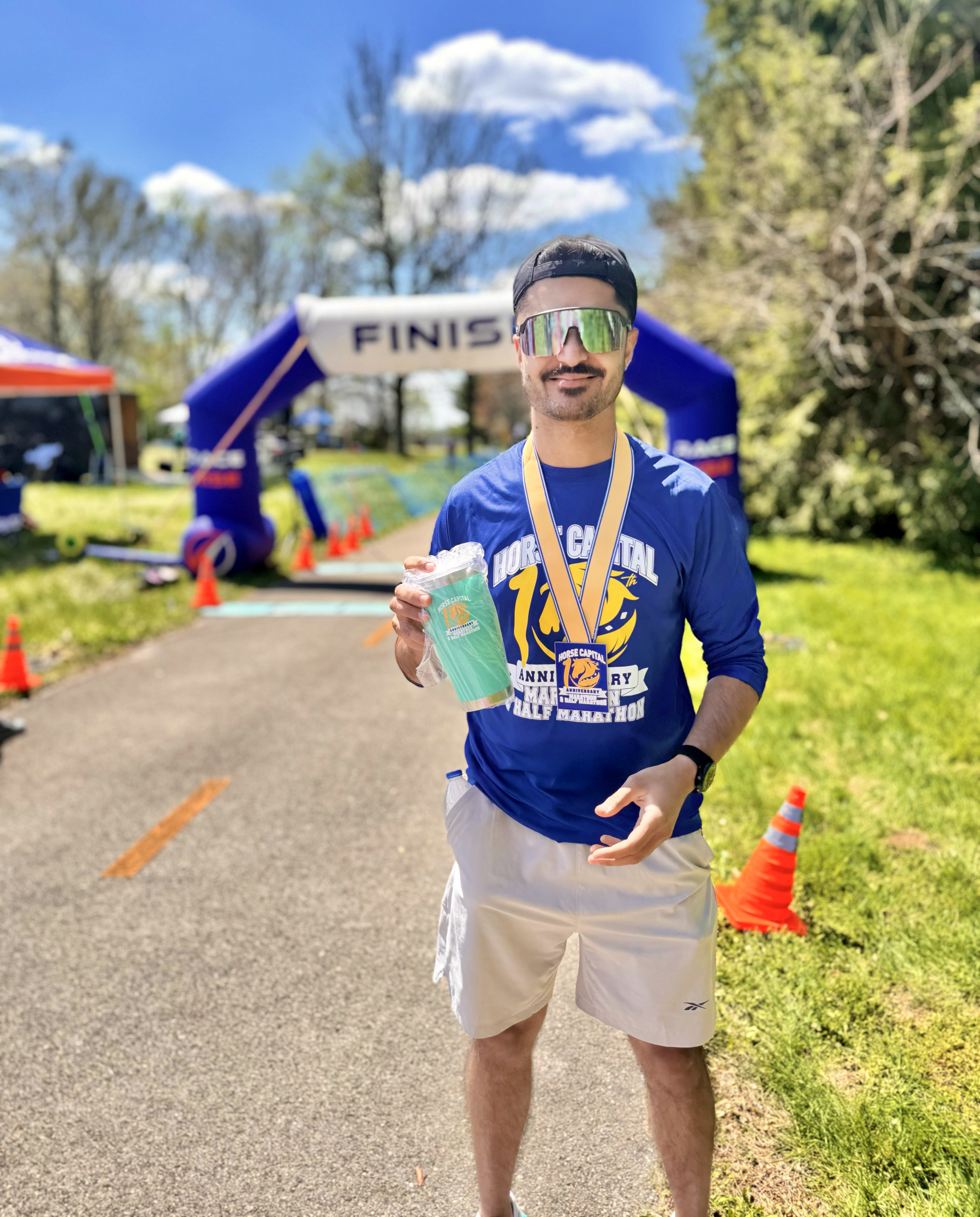
Running
When not working, I enjoy going out for a run or doing other physical activities like hiking and biking.


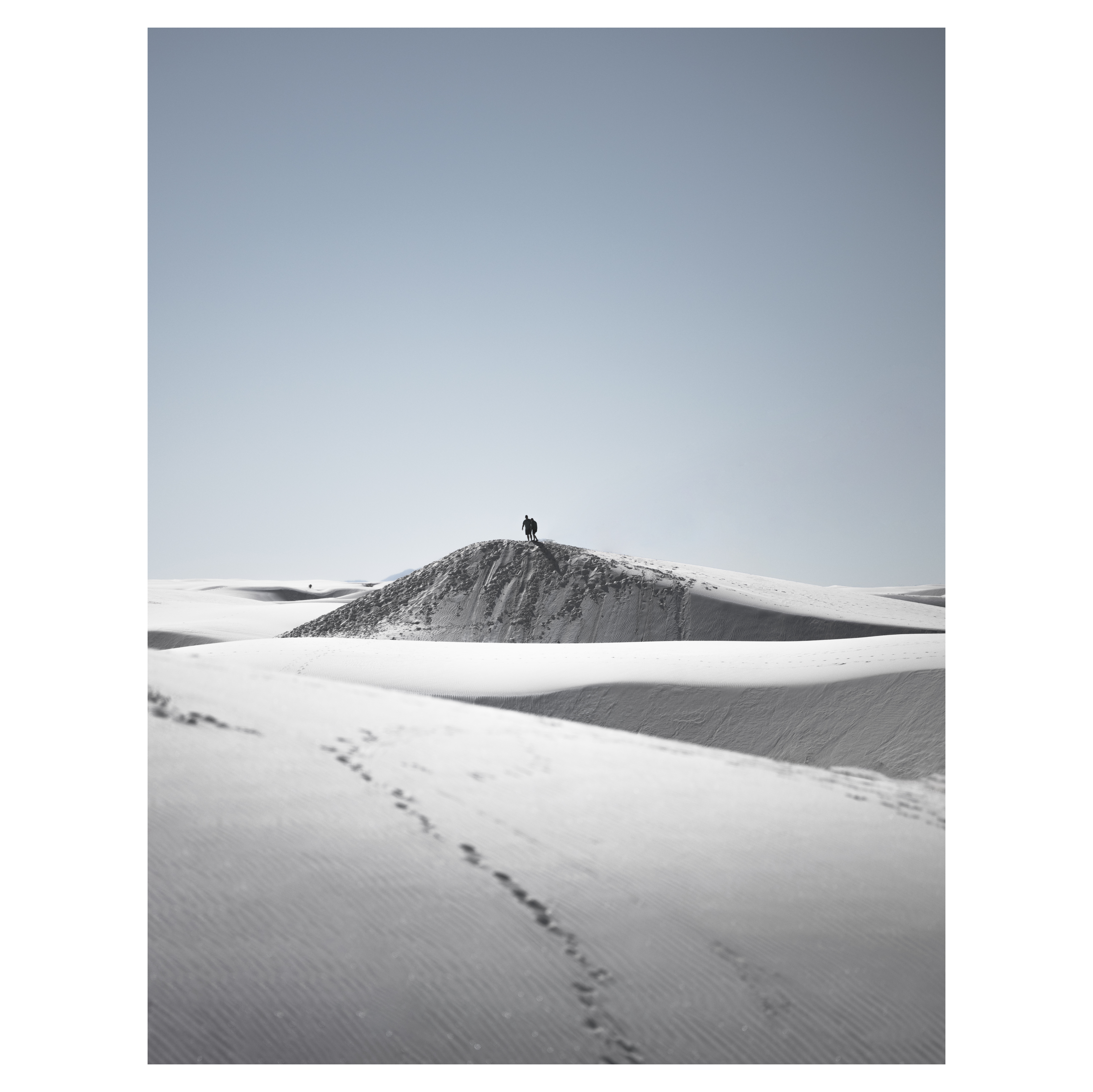
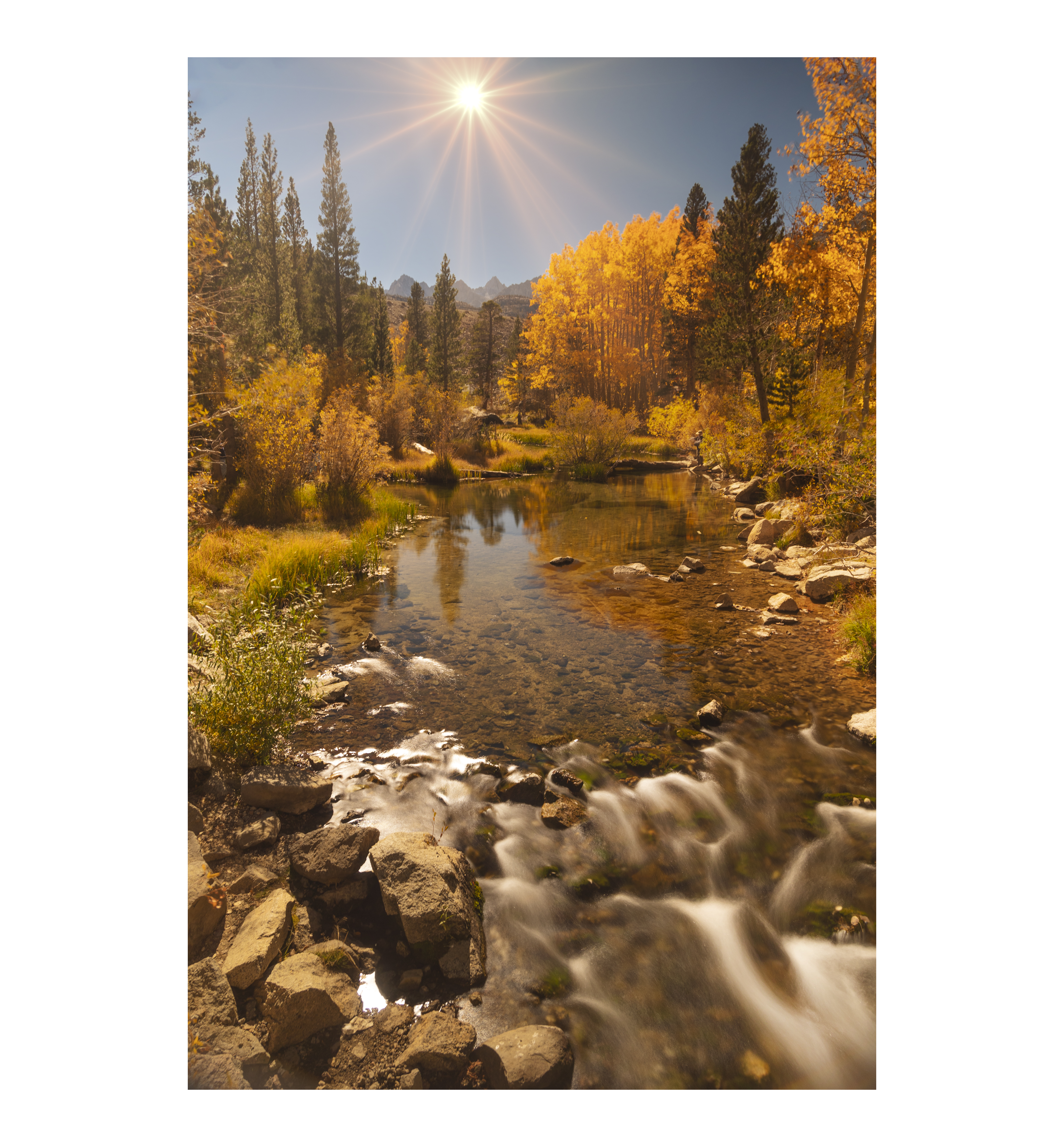
Photography
I am also a hobbyist photographer and like to travel and photograph different landscapes, wildlife and nature.

Contact
Let's Connect
Please reach out if you want to discuss research collaborations or just want to talk about anything.
Location: 2685 State Road 29 North Immokalee, FL 34142
Center: Southwest Florida Research and Education Center, University of Florida